Step into any thriving preschool classroom, and you will notice a seemingly natural rhythm unfold as children move throughout their day. For a young child, consistent daily routines act as a reliable roadmap. When children know exactly what to expect, their cognitive energy is freed up for exploration and learning.
As educators, our goal is to leverage this predictability to build genuine independence. For children, independence is expressed as autonomy, confidence, and self-reliance. By intentionally structuring everyday classroom moments—from arrival to cleanup—educators can transform standard routines into powerful opportunities for children to take charge of their own learning and self-care.
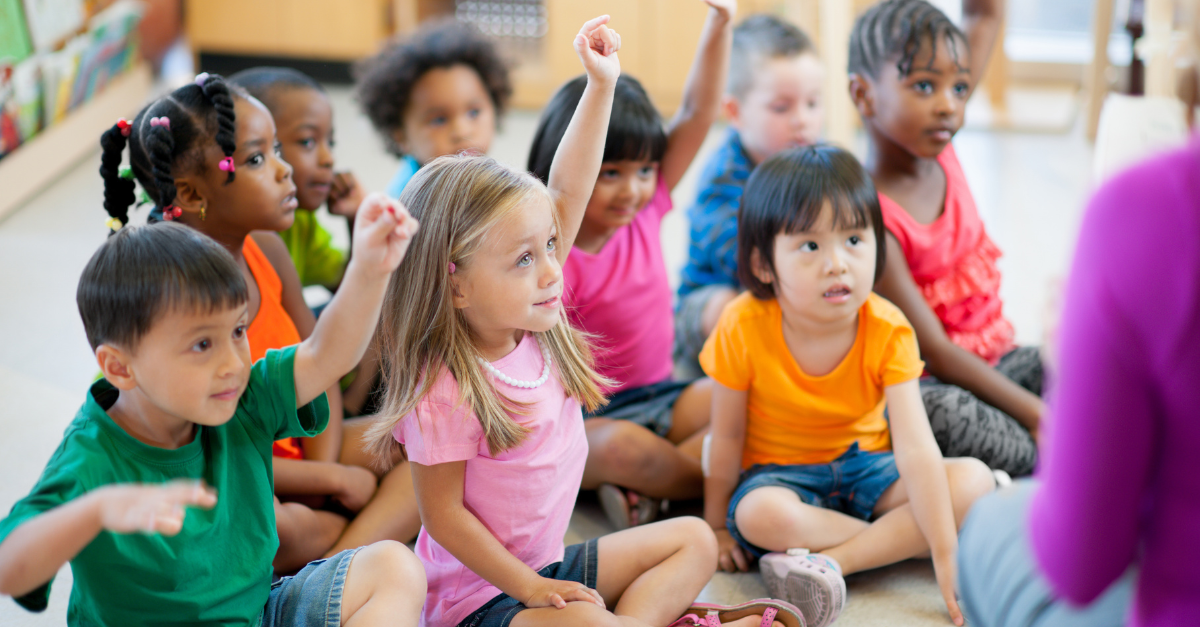
Why Routines Build Autonomy
When a schedule is predictable, children internalize a "mental script." Repetition helps preschoolers anticipate what comes next, reducing the need for constant adult direction. This predictability creates a powerful confidence loop: successfully completing a small daily task builds the self-efficacy needed to try harder tasks tomorrow.
Furthermore, predictable spaces provide emotional security. When children feel safe and know the boundaries of their environment, they feel secure enough to take healthy risks and try new things on their own.
Key Classroom Routines to Target
To foster this self-reliance, consider four major parts of the preschool day:
- The Arrival Ritual: The morning drop-off sets the tone. Teach children to navigate cubbies, hang up their own coats, and unzip their backpacks. Follow this with self-directed check-ins, such as moving their name picture to a "Here" chart or completing a morning emotional check-in board.
- Meal and Snack Times: These moments are goldmines for practical life skills. Teach children to pour milk from small, child-sized pitchers, open their own food containers, and wipe down their personal table spaces. Scaffold the cleanup process by setting up a station where they sort trash, recycling, and place reusable dishes into a designated basin.
- Smooth Transitions: Transition times can be chaotic, but incorporating play changes the dynamic. Use songs, rhymes, or visual timers to motivate participation. Ensure learning stations feature clear visual organization, matching pictures to objects, so children can put items away without asking where they go.
- Hygiene and Self-Care: Set up handwashing sinks and bathrooms to be manageable for children. Utilize visual step-by-step charts and ensure accessible step stools are available.
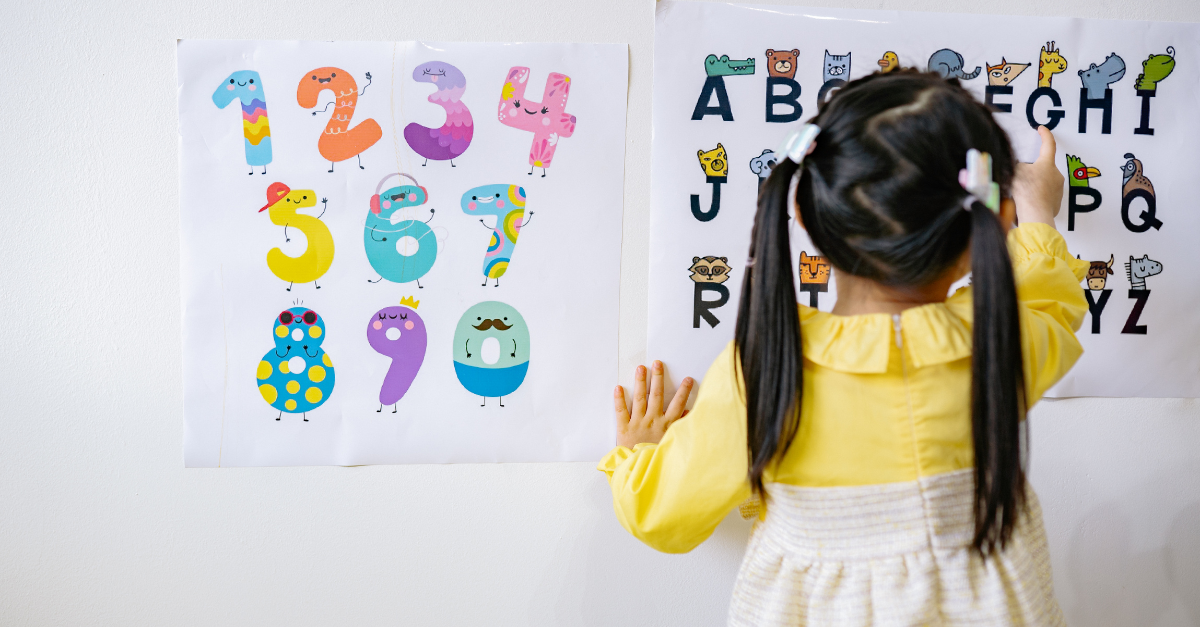
Strategies for the Educator
How do we facilitate this shift?
- Teach and Review Expectations: Set expectations by demonstrating routines. Act out classroom procedures and then invite children to practice. Read social stories to children to further build an understanding of rules and routines.
- Incorporate Visual Supports: Use visual schedules, picture boards, and environmental print to give children answers before they ever must ask an adult. Our curriculum kits provide labels and materials to promote self-regulation.
- Implement Classroom Jobs: Assign rotating responsibilities such as line leader, plant waterer, or paper passer, to instill a sense of community accountability.
Overcoming Challenges
Giving up control can be difficult, and challenges will arise. Prioritize effort over perfection. Shift your praise away from the final result and focus on the hard work. Instead of fixing a crooked jacket, say, "You worked so hard to get those boots on your feet!" When managing resistance, rely on positive reinforcement and boundary modeling rather than pressure or correction.
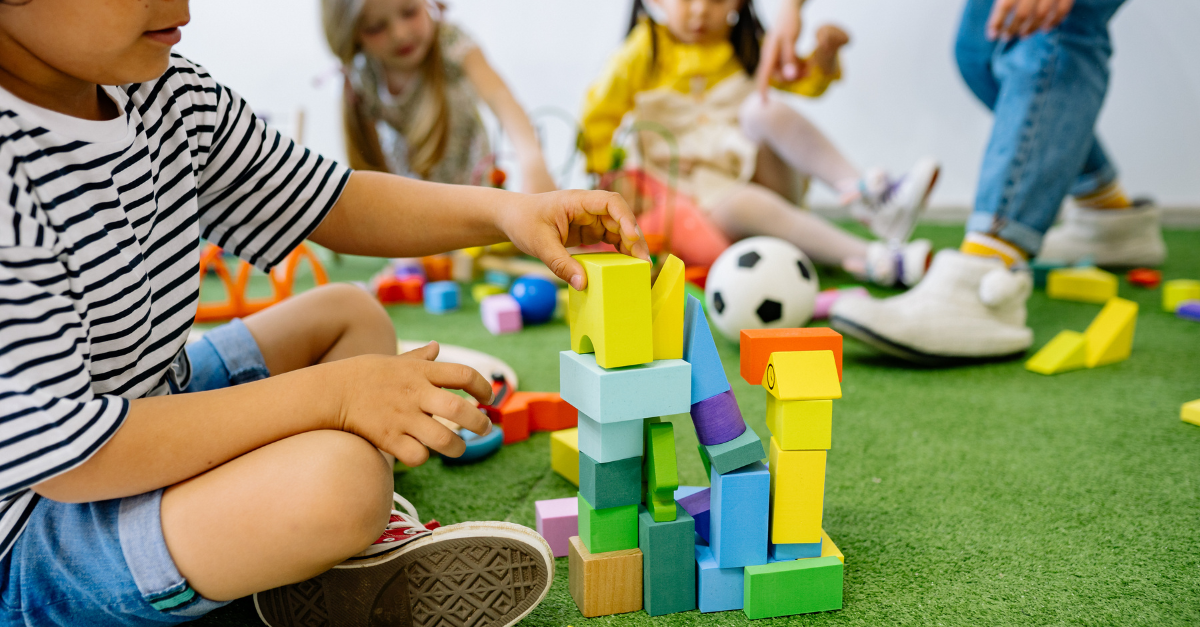
Step Back so They Can Step Up
Small, daily classroom repetitions build the foundation for lifelong self-reliance. Begin by looking closely at your current schedule and picking one routine to hand over to children. It might feel slower at first, but the reward is unmatched. Remember: when we step back, we allow children to step up.