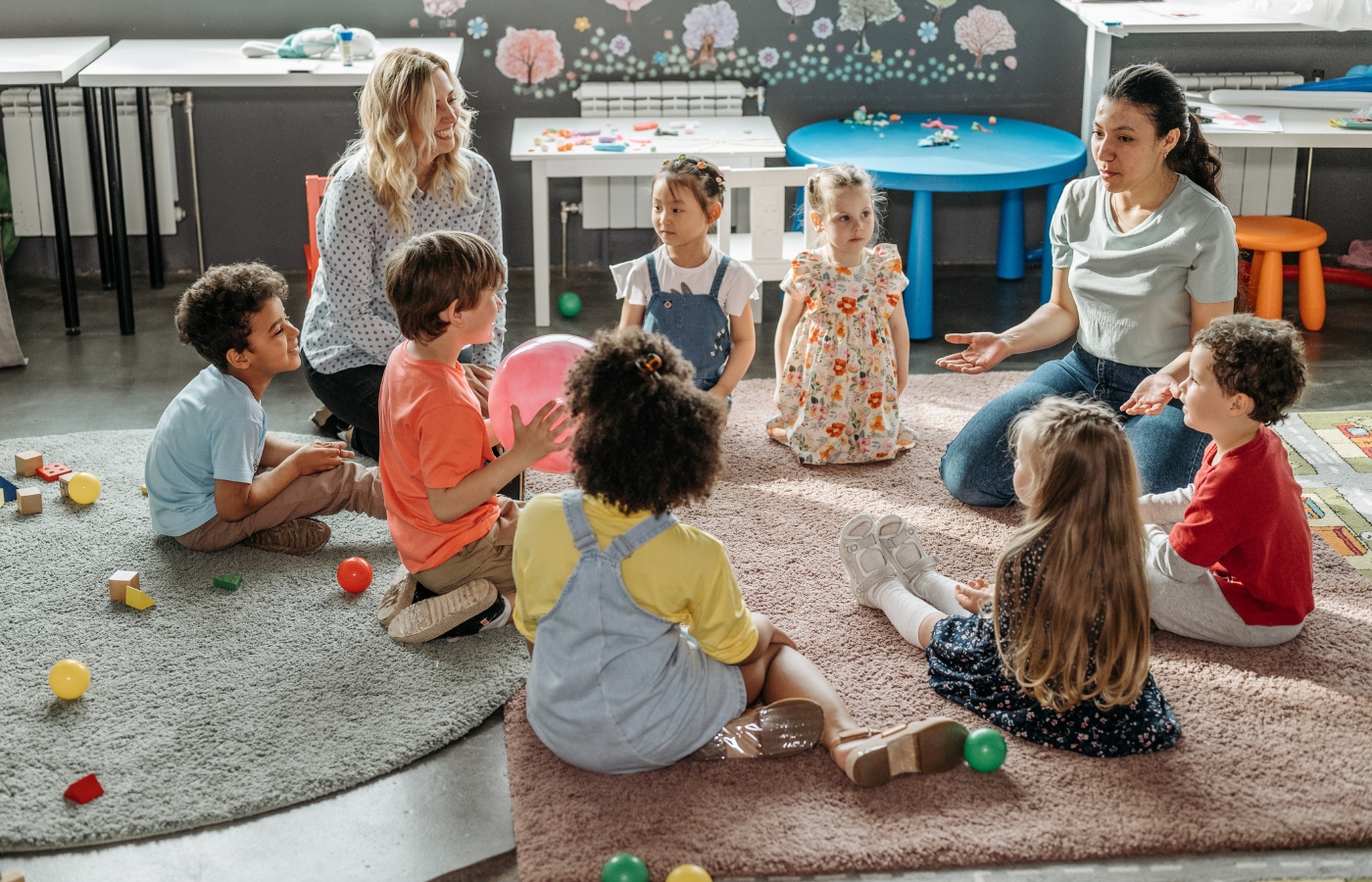
When you step into a joyful preschool classroom, you can feel it: the hum of curiosity, the laughter bubbling from play, the sense of belonging that fills the air. That atmosphere doesn't happen by accident. It's the result of intentional planning, thoughtful guidance, and a deep understanding of how young children learn and grow.
The Heart of Classroom Management: Relationships and Respect
Four- and five-year-olds are at such an exciting stage of development. They're learning how to communicate, cooperate, and navigate friendships — all while gaining independence and control over their emotions and bodies. Our role as educators isn't just to manage behavior; it's to guide it.
At the foundation of every successful classroom management plan is one simple truth: children thrive in environments built on respect and connection. When we model kindness, empathy, and patience, children mirror those behaviors back to us and to one another.
A strong classroom community is built when children feel valued, understood, and capable of making good choices. That sense of safety is what allows them to explore, create, and learn freely.
The Environment as a Teaching Tool
A well-designed classroom can do as much teaching as any adult in the room. The way we arrange our spaces, display materials, and plan transitions all shape how children behave and feel throughout the day.
Think about your own classroom:
- Is there space to move freely and safely? Too much clutter or crowding can cause frustration and conflict.
- Are materials clearly labeled with pictures and words? This small touch encourages independence and supports print awareness — children can "read" the environment as they learn to organize it.
- Are books and print materials easily accessible? A print-rich environment gives children daily opportunities to explore letters, words, and stories naturally throughout their play.
In our curriculum kits, we make it easy to build environments like these by providing the books, labels, and materials that promote literacy and self-regulation in every center.
Predictability Brings Peace
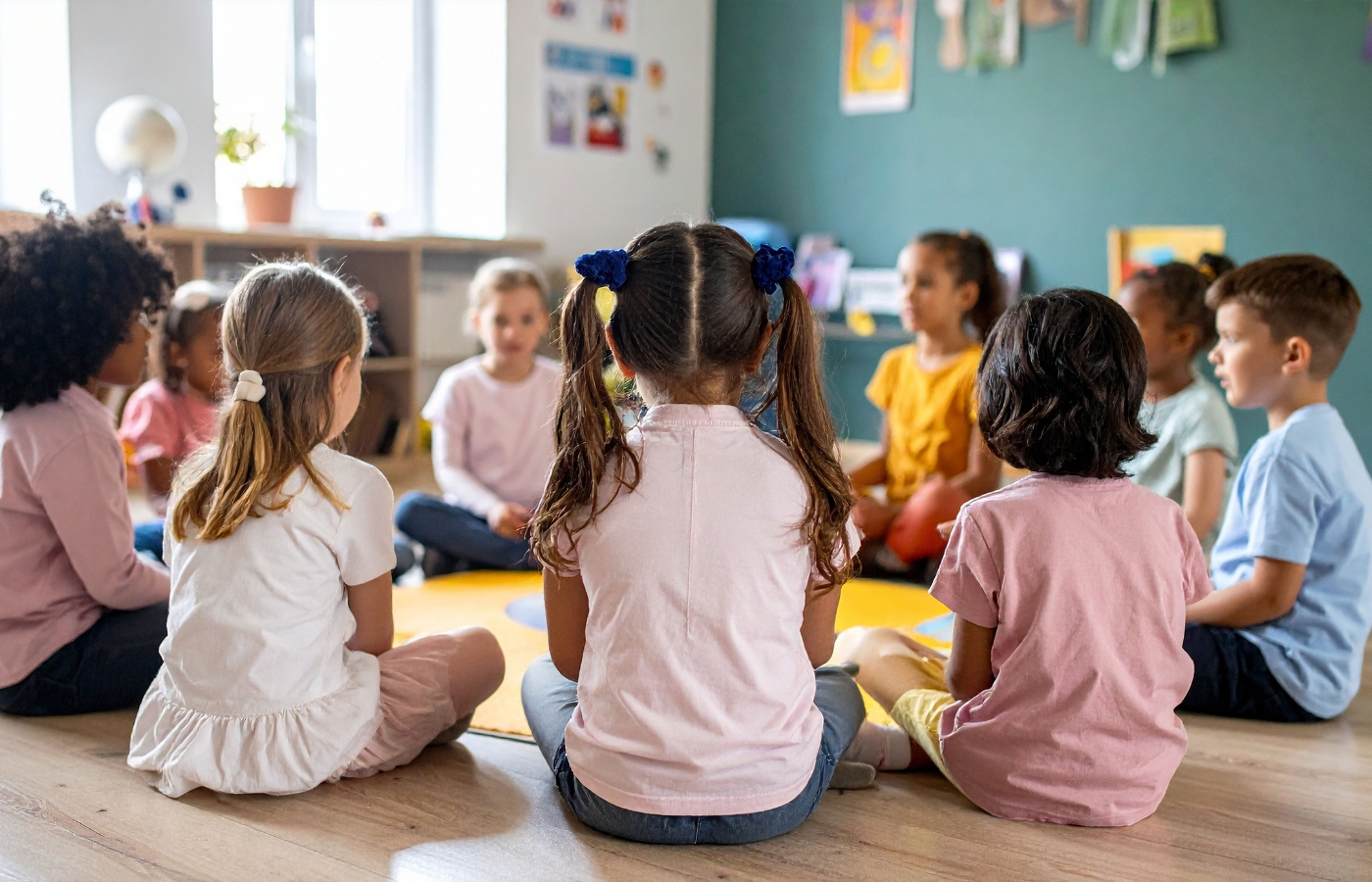
Young children thrive on routines. A consistent daily rhythm helps them feel secure and confident — they know what's coming next and how to transition between activities.
A predictable schedule doesn't mean rigidity; flexibility is still key. The goal is to balance active and quiet play, group and individual work, and teacher- and child-led moments.
Smooth transitions are another powerful management tool. Try giving countdowns before moving from one activity to another or using songs and signals that children can anticipate. These cues help children take ownership of the routine and reduce stress for everyone.
Guidelines that Empower, Not Punish
Involving children in creating classroom expectations helps them take ownership of their behavior. When children help write the rules, they're more likely to follow them.
One of the most effective sets of Pre-K guidelines is also one of the simplest:
- We are kind to ourselves.
- We are kind to our classmates.
- We are kind to our school.
These positive, easy-to-remember statements encompass everything from self-regulation to community care. They focus on what to do, not what to avoid — a powerful shift from punishment to empowerment.
When children experience classrooms that highlight positive behavior, they develop stronger self-esteem, empathy, and long-term self-control.
Families are our strongest allies in helping children succeed. When parents understand the classroom's approach to positive guidance, they can use similar strategies at home — creating consistency and trust.
Frequent communication, whether through notes, calls, or sharing success stories, helps parents see their child's progress and reinforces the idea that school and home are a team.
Our resource guides and classroom kits even include take-home literacy and social-emotional materials to strengthen these school-home connections.
The Big Picture: Guidance Over Control
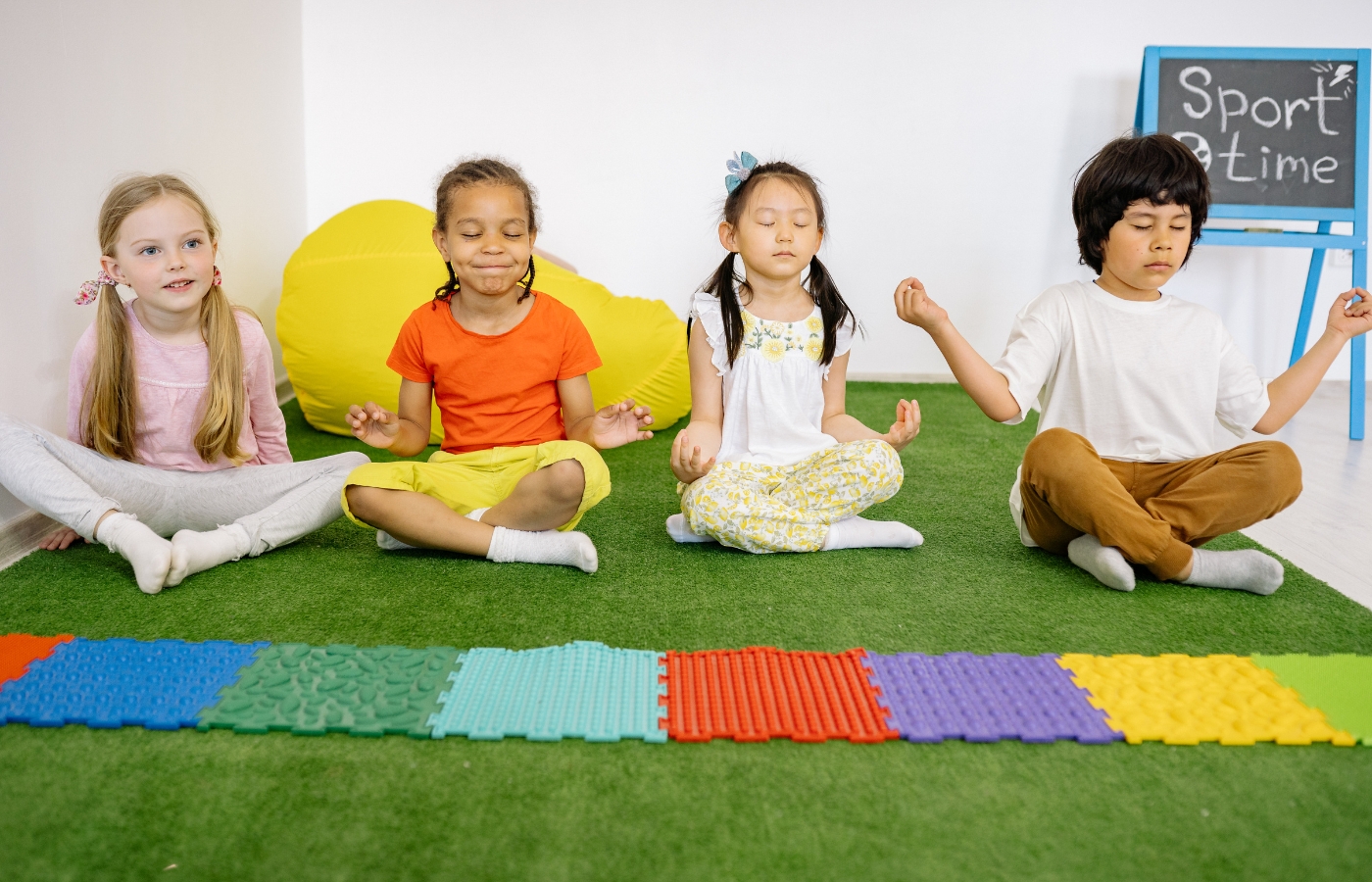
When we step away from "managing" and instead focus on guiding, everything changes.
Children learn to solve problems, use their words, and care for one another. Teachers feel more connected and less reactive. The classroom becomes a space where everyone — adults and children alike — can learn, grow, and thrive together.